Navigating hardware procurement from Concept to Production to EOL
ChipHub supports every stage, from early cost modeling and part validation to supplier contracts and long-term lifecycle planning.
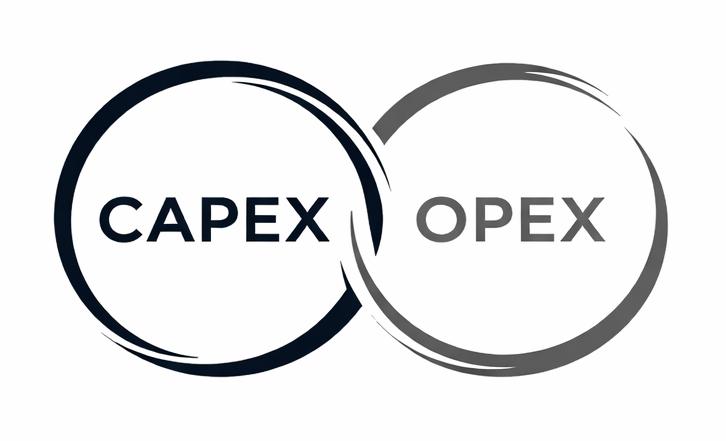
TCO & LEADERSHIP APPROVAL
1. TCO Analysis
Turning a product idea into reality starts with securing leadership buy-in—but that's easier said than done. Hardware companies need to look beyond unit costs and factor in logistics, lead times, supplier risks, and lifecycle costs. This means building a detailed Total Cost of Ownership (TCO) analysis that considers every variable, from sourcing challenges to long-term maintenance. Without a clear understanding of these factors, it's tough to make informed decisions and secure approval.
NEW PRODUCT INTRODUCTION
Engineering Validation Test (EVT)
In the early stages of hardware development, securing prototype components is critical—but not all suppliers are willing to support small-volume orders for testing. Engineers face the challenge of finding reliable suppliers who can deliver the right parts, on time, and at manageable costs. Without a stable supply chain during EVT, delays and design flaws can derail the entire development timeline.
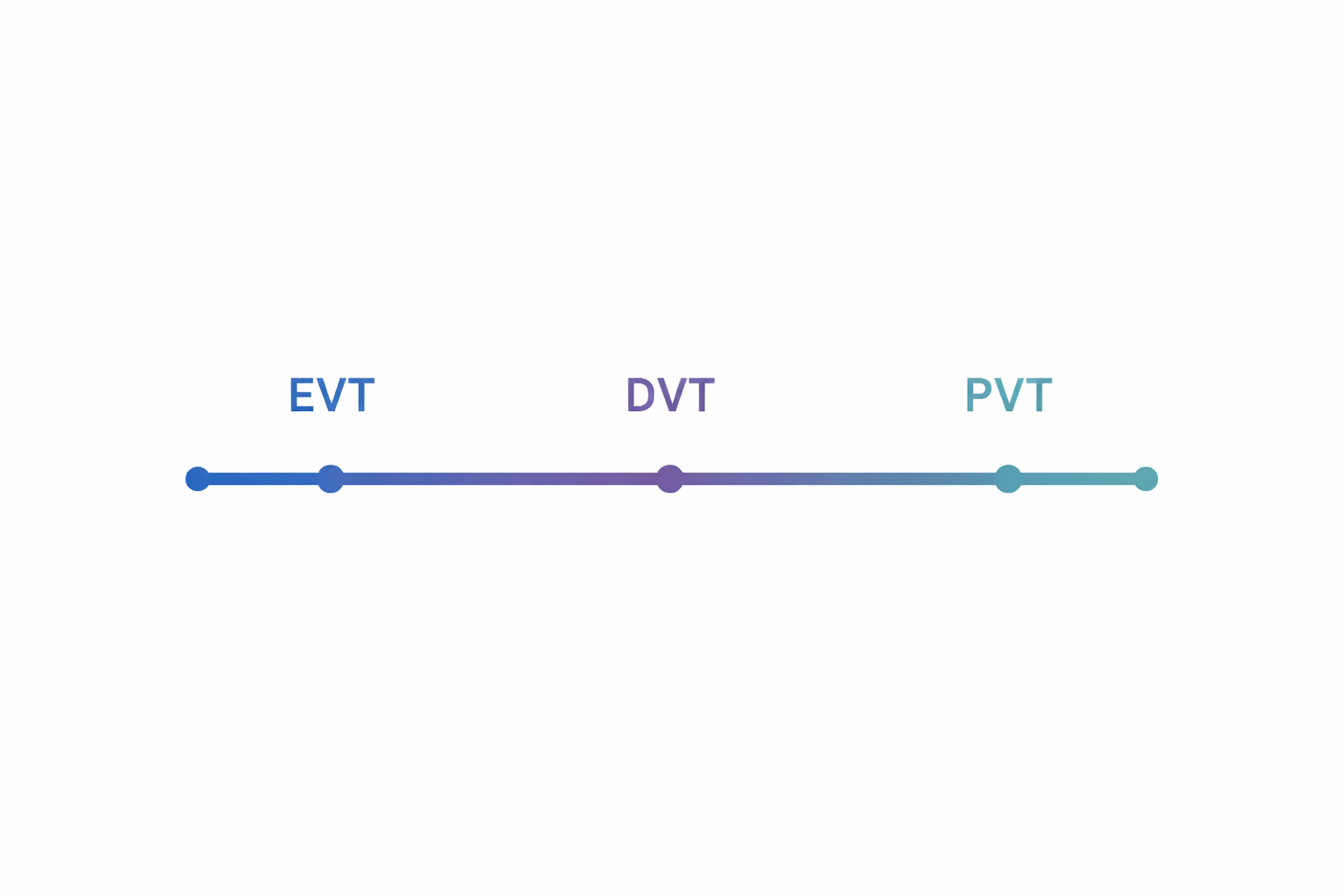
NEW PRODUCT INTRODUCTION
Design Validation Test (DVT)
Once the prototype is ready, the next step is scaling up while maintaining quality and consistency. At this stage, engineers must ensure that sourced components meet performance expectations and pass certification requirements. Any variation in component quality can lead to costly redesigns, manufacturing delays, and failed compliance tests—putting the entire project at risk.
NEW PRODUCT INTRODUCTION
Production Validation Test (PVT)
Pre-production is when everything needs to come together—but securing long-term component availability is a major challenge. Procurement teams must lock in supplier contracts, confirm lead times, and anticipate potential disruptions before moving to mass production. Any gaps or failures in the supply chain at this stage can result in production delays, cost overruns, and missed market windows.
OPERATIONAL EXECUTION PHASE
Production
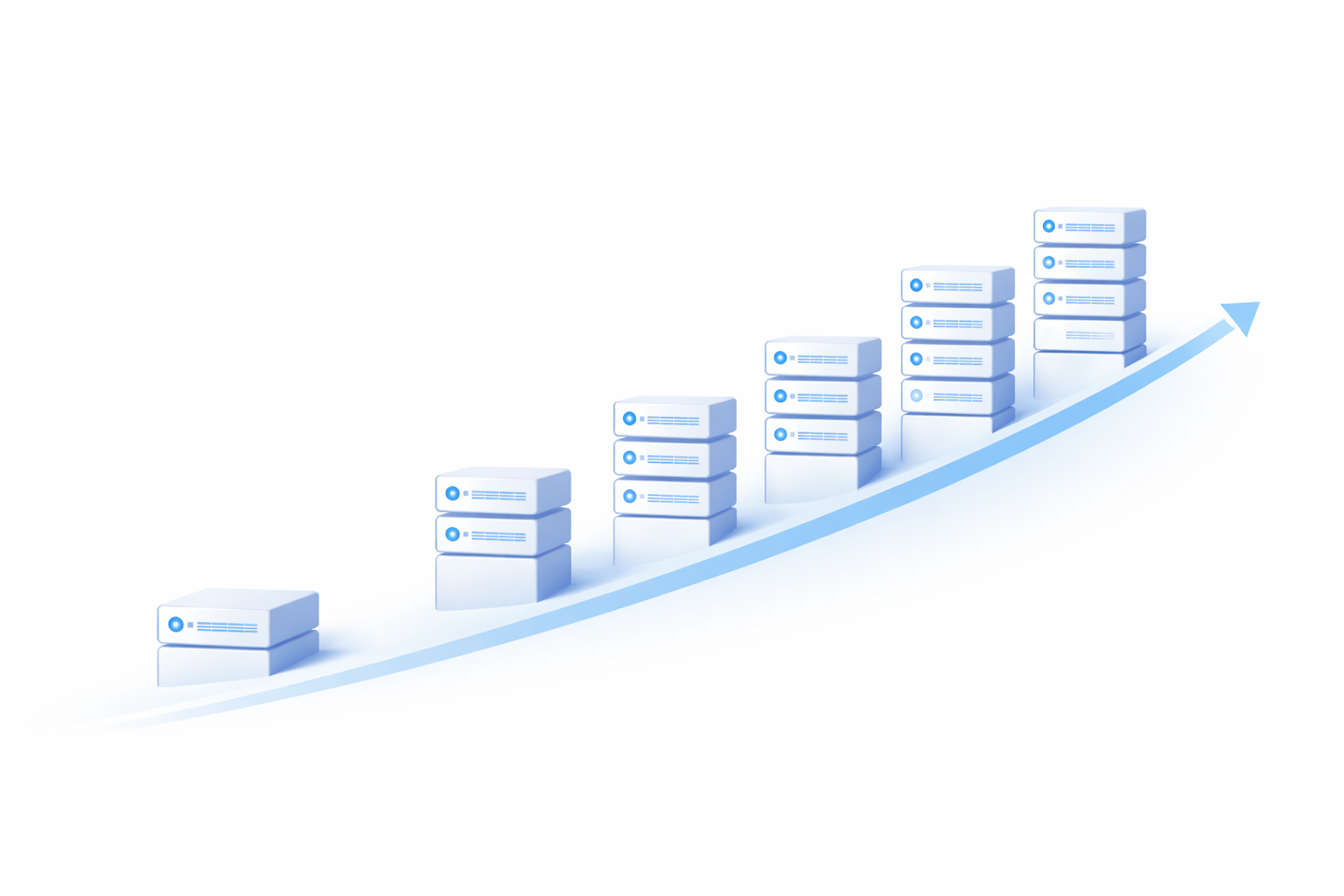
Bulk of the operating expenses are incurred to support the volume ramp up of the product. The team is now challenged to adjust the continuity of supply up or down depending on the daily fluctuations in demand and supply driven by a variety of reasons. Procurement teams must track supplier performance, spend and savings and successful execution of the commodity strategies in place.
SUSTAINING PHASE
Future-Proofing
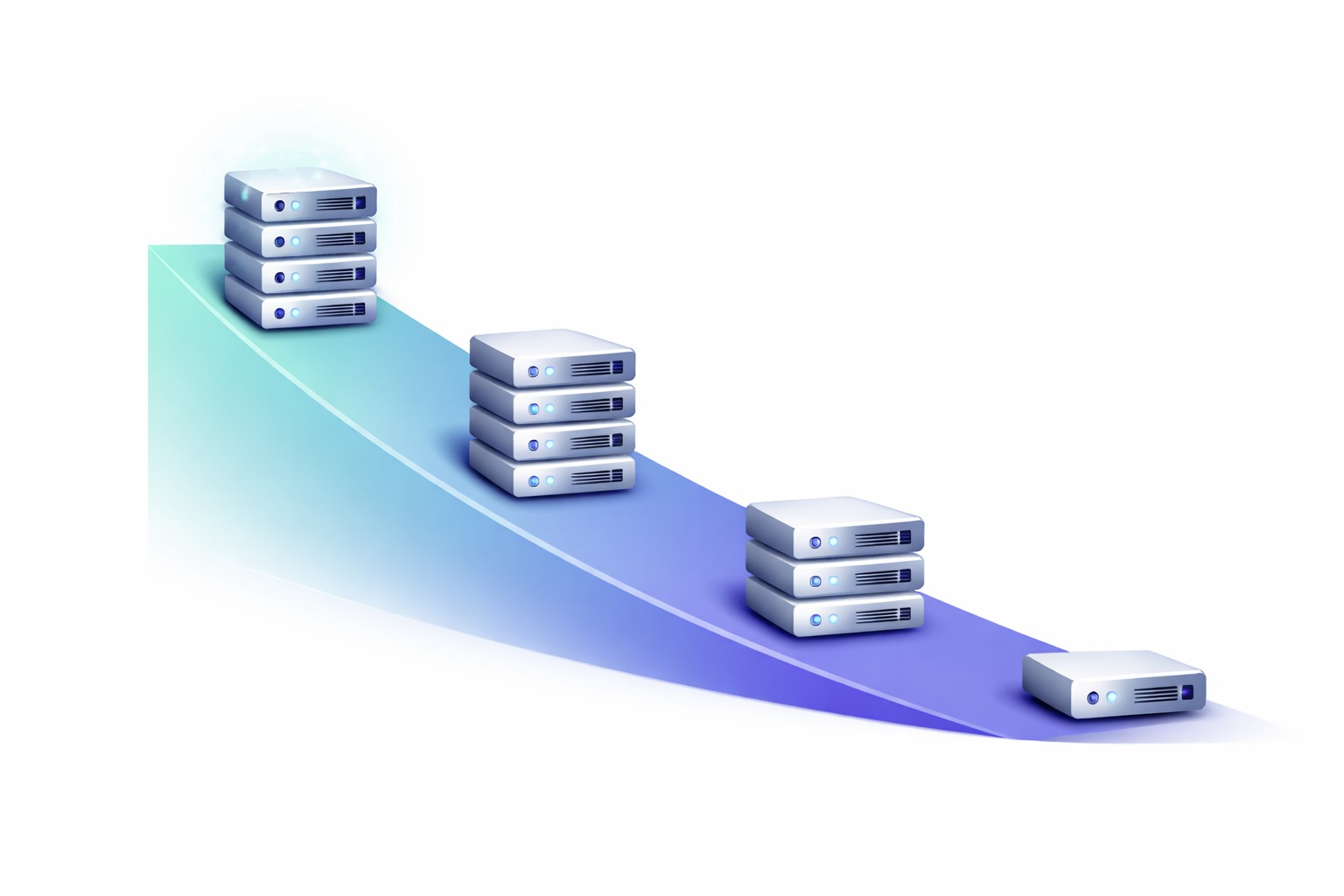
Once a product is in the market, the focus shifts to long-term performance and support—but component lifecycles don't last forever. Semiconductor obsolescence is a constant risk, and when a critical part reaches end-of-life (EOL), companies face the costly prospect of redesigning the product or scrambling to find replacements. Without proactive tracking and planning, supply chain disruptions and unplanned expenses can quickly escalate.